


MOST POPULAR ADULT WALKERS IN SRI LANKA
Sale!

WALKING AIDS
Original price was: රු13900.රු8000Current price is: රු8000.
Sale!

WALKING AIDS
Original price was: රු16900.රු8900Current price is: රු8900.
Sale!

WALKING AIDS
Original price was: රු37400.රු34500Current price is: රු34500.
Sale!


Original price was: රු5900.රු5000Current price is: රු5000.
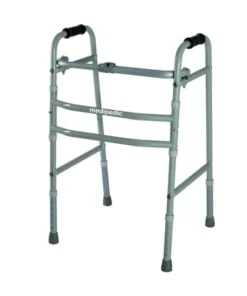
WALKERS WITHOUT WHEELS
Sale!
WALKING AIDS
Original price was: රු13900.රු8000Current price is: රු8000.

Sale!

WALKING AIDS
Original price was: රු18900.රු17200Current price is: රු17200.
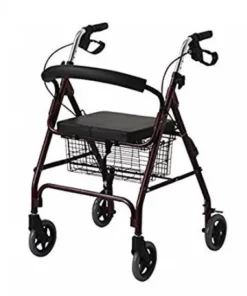
WALKERS WITH WHEELS,SEATS AND ROLLATORS
Sale!
WALKING AIDS
Original price was: රු37400.රු34500Current price is: රු34500.
Sale!

WALKING AIDS
Original price was: රු16900.රු13900Current price is: රු13900.
CRUTCHES
Sale!
WALKING AIDS
Original price was: රු16900.රු8900Current price is: රු8900.
WALKING STICKS
Sale!
Original price was: රු5900.රු5000Current price is: රු5000.

WALKING AIDS
රු7500
Sale!

CRUTCHES
Original price was: රු5900.රු4900Current price is: රු4900.

CRUTCHES
රු3200
Climbing steps using a walker
How to properly use a walker
What is the price of the walker in Sr Lanka
Price of adult walker Currently range between Rs16500 to Rs25000
Walker with wheels or without wheels
Walker with wheels comes with 4 wheels or two wheels. The person who is using the walker can push it along the floor as he or she walks. On the other hand when using walker without wheels the user should lift the frame to advance.
What are the different types of walkers available in Sri lanka
Broadly there are three main types of walkers
- Walkers without wheels
- walkers with wheels
- Rollators
What is the difference between Rollator and walker
Rollators comes with wheels and Brakes so that they can be pushed along the way. These can be either three wheelers or four wheelers
Can In rent walkers in Sri Lanka
Yes walkers are available for rent in our Shops in Piliyandala and Kandy. click here

How to choose the correct walker
A common complaint that we hear very often is what kind of walker should I buy. there are lots to choose from and it can be overwhelming. We are going to review the options to help you pick the best walker to suit your particular needs. Firstly, there is the [...]
04
Jan
Jan

Wheelchairs and mobility items for rent in Sri Lanka
Price of the wheelchairs and other mobility items in Sri Lanka has skyrocketed in the recent past. If you looking for a wheelchair for short-term use, renting would be a good option for you. We have a wide range of mobility products for sale and rent. The items can be [...]
11
Nov
Nov
TIPS AND TRICKS ON HOW TO USE YOUR WALKER
Walking with a walker can be a game-changer for those who have difficulty with mobility. However, it’s essential to make sure the walker fits the patient properly to avoid any discomfort or injury. In this article, we’ll discuss the characteristics of a walker that fit the patient and how to walk with it.
Assessing the Fit of a Walker
First things first, it’s crucial to adjust the walker’s height before use. Most walkers have four adjustable legs at the bottom, and each leg should be adjusted to the appropriate height. To ensure the walker fits the patient, have them hold onto the hand grips while standing with the walker. Check the elbow bend, which should be between fifteen to thirty degrees, and ensure that the patient’s wrist crease lines up with the hand grips. These two factors indicate that the walker fits the patient.
Understanding the Patient’s Gait with a Walker
Once you’ve confirmed that the walker fits the patient, it’s essential to pay attention to their gait. Before the patient uses the walker, ensure that you’ve applied a gait belt for safety. Stand on the patient’s weak side and pay attention to what’s moving first, whether it’s the weak or strong side, and how the order goes. It’s also important to instruct the patient not to stare down at their feet while walking, but to look straight ahead, just like they would when walking normally.
Ambulating with a Walker:
To start walking with the walker, the patient should ensure that the back tips of the walker match up with the middle of their foot. They should then hold onto the handgrips, lift and move the walker forward, and make sure all four points of the walker are touching the ground. The patient should then move the weak side, put weight on the hand grips, move the strong side, lift the walker, and repeat.
When it’s time to sit down in a chair, the patient should hold onto the hand grips of the walker, slowly back up to the chair until they feel the chair with the back of their legs, and slightly extend the weak leg out. They should then position their hands behind them and bend their strong leg, feeling for the chair’s armrests and setting down.
Proper Technique for Sitting and Standing with a Walker
To get up from the chair, the patient should make sure the walker is out in front of them, lean forward out of the chair, put weight on their hands by pushing up on the armrests of the chair, and use their strong leg to stand up. Once standing, they can put their hands on the handgrip of the walker and start walking.
In conclusion, using a walker can be a game-changer for those who struggle with mobility. However, it’s crucial to ensure the walker fits the patient properly and to pay attention to their gait to avoid any discomfort or injury. By following the tips outlined in this article, you can help your patients walk confidently with a walker.